Quick Summary
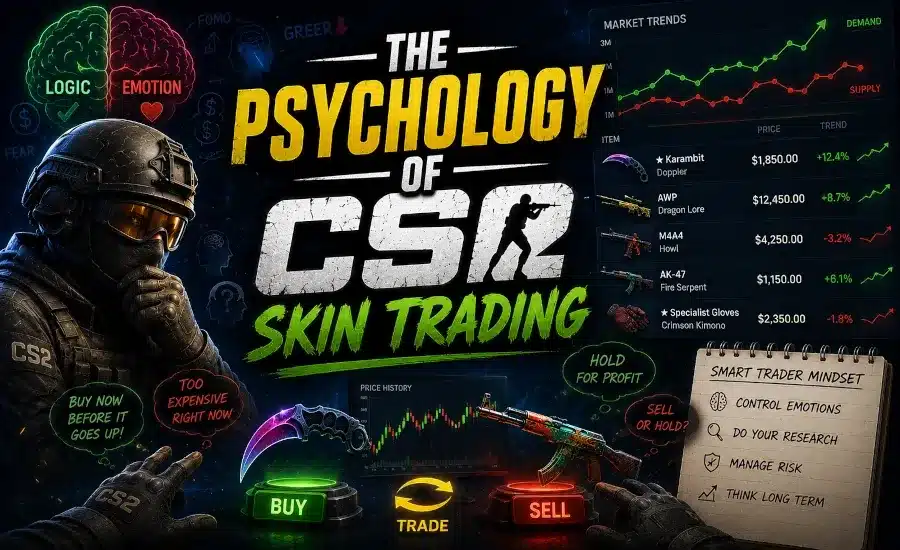
CS2 skin trading is not driven only by rarity or price. The market is also shaped by psychology, emotion, status, hype, nostalgia, social proof, and perceived scarcity.
In this guide, we explain why players value certain skins more than others, how trends influence prices, why traders sometimes overpay, and how understanding market psychology can help you make better trading decisions.
The Psychology of CS2 Skin Trading: What Drives the Market?
The Counter-Strike 2 skin market is more than a collection of digital items. It is a living economy shaped by player behavior, collector psychology, trading trends, esports culture, and emotional decision-making.
At first glance, it may seem like CS2 skin prices are determined only by rarity. A knife is expensive because it is rare. A Factory New skin costs more because it looks cleaner. A discontinued collection becomes valuable because supply is limited.
All of that is true but it is only part of the story.
In reality, the best CS2 skin trading sites is heavily influenced by psychology. Players do not always buy skins because they are objectively better. They buy them because they feel premium, look iconic, carry status, remind them of professional players, or seem likely to increase in value.
If you are still learning how the broader skin economy works, start with our main CS2 Skins hub, where we explain the basics of skin types, values, rarity, and collections.
For readers who want to understand pricing, marketplaces, and profit potential, our CS2 Skin Market Guide is the best companion to this article.
This article focuses specifically on the human side of trading: why people buy, why they sell, why hype moves prices, and why emotional decisions often create both opportunities and mistakes.
What Is CS2 Skin Trading Psychology?
CS2 skin trading psychology is the study of how player behavior influences the value and movement of Counter-Strike 2 skins.
It includes factors such as:
- perceived rarity,
- emotional attachment,
- social status,
- fear of missing out,
- nostalgia,
- collector behavior,
- esports influence,
- trend chasing,
- market speculation.
Unlike traditional markets, CS2 skins are both digital collectibles and personal cosmetics. Players do not simply own them as assets. They use them in-game, show them to teammates, display them in inventories, and associate them with personal identity.
That makes trading more emotional than purely financial.
A player may overpay for an AK-47 skin because it was used by a favorite pro. A collector may hold an expensive knife for years because it completes a rare pattern set. A trader may buy into a collection after seeing sudden hype on social media.
This emotional layer is what makes the CS2 skin market so fascinating.
Why Players Value Virtual Skins
To someone outside the Counter-Strike community, paying hundreds or thousands of dollars for a cosmetic weapon finish may seem strange.
But inside the game, skins carry meaning.
They represent taste, experience, status, and sometimes even identity.
Skins as Personal Expression
Players use skins to personalize their weapons in the same way people customize cars, sneakers, watches, or gaming setups.
An AWP Asiimov, AK-47 Fire Serpent, M4A4 Howl, or Karambit Doppler is not just a texture. It sends a message.
It can say:
- I have been part of this community for years.
- I understand rare skins.
- I care about how my inventory looks.
- I own something desirable.
That personal expression is one reason certain skins remain valuable even when many alternatives exist.
If you want a broader overview of popular cosmetic items, visit our CSGO Skins guide.
Skins as Status Symbols
In competitive games, status matters.
Ranks, medals, badges, knives, gloves, and rare skins all contribute to how players are perceived.
A rare knife or glove combination can instantly make an inventory look premium. This visibility creates social value, and social value often translates into market value.
That is why knives and gloves usually remain among the most stable high-demand skin categories.
Skins as Collectibles
Many players treat CS2 skins like digital collectibles.
They search for:
- rare float values,
- special pattern indexes,
- discontinued collections,
- souvenir versions,
- rare sticker crafts,
- matching loadouts.
Collectors often care less about short-term price movement and more about owning something unique. This reduces market supply, because rare items are held long-term rather than frequently resold.
Scarcity and Perceived Rarity
Scarcity is one of the strongest psychological forces in the CS2 skin market.
When players believe an item is hard to obtain, they usually assign it more value.
However, there is a difference between actual rarity and perceived rarity.
| Type of Rarity | Meaning | Market Effect |
|---|---|---|
| Actual rarity | The item is objectively limited or hard to obtain | Usually increases long-term value |
| Perceived rarity | Players believe the item is rare or desirable | Can create short-term hype |
| Visual rarity | The skin looks unique even if supply is not extremely low | Can boost demand |
| Pattern rarity | A specific pattern is rare within a common skin | Can create collector premiums |
This is why some skins with similar rarity tiers can have completely different prices.
A skins technical rarity matters, but the market ultimately rewards what players want to own.
The Role of FOMO in CS2 Skin Trading
FOMO fear of missing out is one of the biggest reasons traders make emotional decisions.
When prices begin rising quickly, many players feel pressure to buy before the item becomes too expensive. This often leads to impulsive purchases during price spikes.
FOMO usually appears after:
- a discontinued case increases in price,
- a professional player uses a specific skin,
- a YouTuber or streamer promotes an item,
- a collection becomes harder to obtain,
- rumors spread about future updates,
- market charts show sudden growth.
The problem is that buying during hype can be risky. Once excitement fades, prices may stabilize or drop.
Experienced traders usually avoid emotional buying and compare recent sales data before making decisions.
Expert Tip
Do not buy a CS2 skin only because everyone is suddenly talking about it.
Before purchasing, check:
- recent sales history,
- market liquidity,
- float value,
- pattern rarity,
- supply on major marketplaces,
- whether demand is long-term or hype-driven.
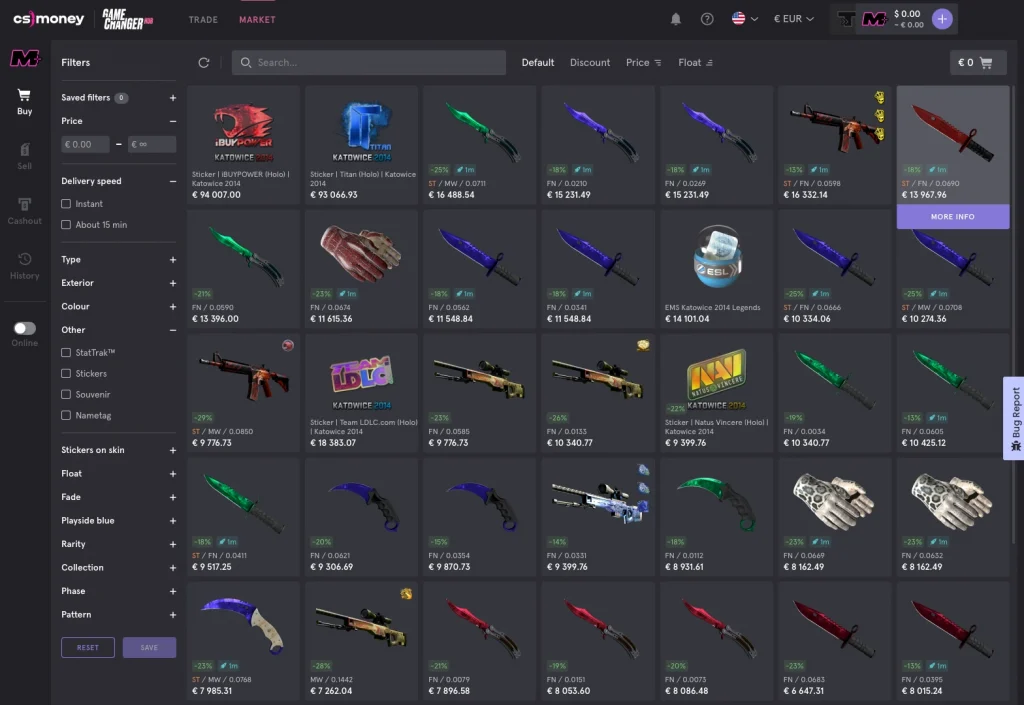
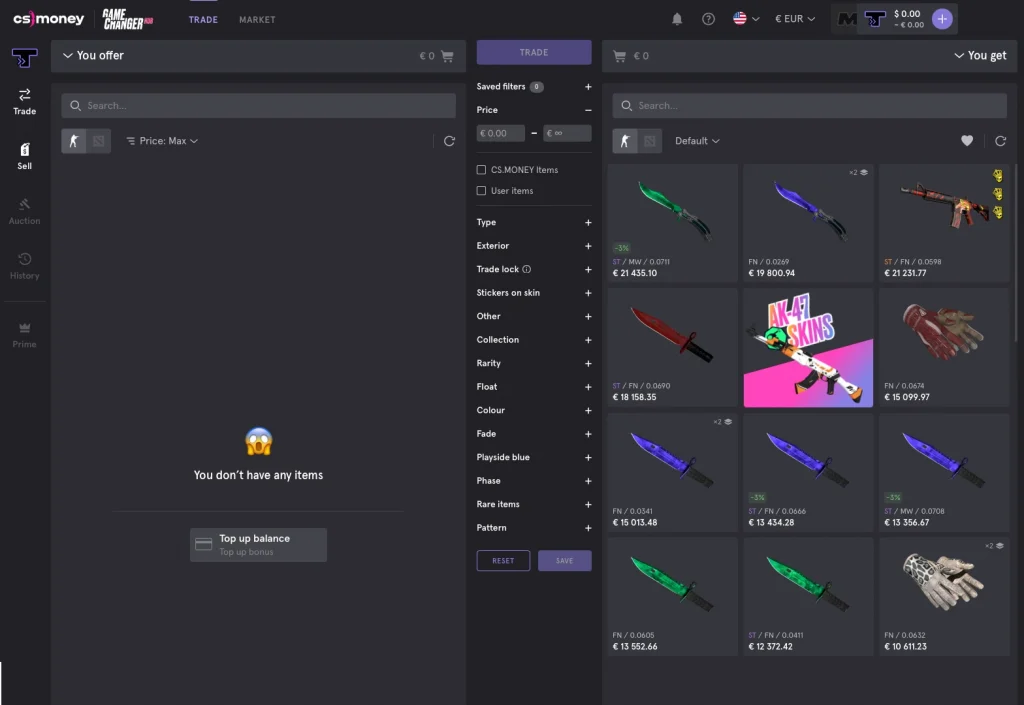
For marketplace comparisons, check trusted platforms such as iTrade.gg, CS.MONEY, and Waxpeer.


Hype Cycles and Market Trends
CS2 skin trading is strongly influenced by hype cycles. A hype cycle happens when attention around a specific item rises quickly, pushing demand and prices upward for a short period.
This can happen after a popular streamer showcases a skin, a professional player uses it during a major tournament, or traders start speculating that a collection may become more valuable.
At first, hype creates excitement. More players search for the item, listings disappear from marketplaces, and sellers raise prices. Then, as attention slows down, demand may return to normal.
Experienced traders try to separate short-term hype from long-term value.
Short-Term Hype vs Long-Term Demand
| Factor | Short-Term Hype | Long-Term Demand |
|---|---|---|
| Cause | Social media, streamer attention, sudden price movement | Rarity, appearance, stable popularity |
| Risk | High | Lower |
| Price Stability | Weak | Stronger |
| Best For | Fast flipping | Long-term holding |
| Buyer Type | Trend chasers | Collectors and serious traders |
A skin can become temporarily expensive because everyone is talking about it. But if the skin does not have lasting collector demand, the price may fall once attention moves elsewhere.
Esports Influence on CS2 Skin Prices
Esports plays a major role in CS2 skin trading psychology.
When a professional player uses a specific skin during an important match, fans often notice. If that player performs well, the skin can become even more desirable.
This effect is especially strong during major tournaments, where millions of viewers watch the same matches, highlights, and player inventories.
If you follow competitive Counter-Strike and betting markets, our CSGO Betting Sites guide gives a broader overview of tournament-focused platforms.
Why Pro Players Influence Demand
Professional players influence skin demand because they create social proof.
When a top player uses a skin, some fans interpret it as a sign that the item is stylish, iconic, or worth owning.
This does not mean the skin becomes objectively better. It simply becomes more visible.
Common examples include:
- AWP skins used by star snipers,
- AK-47 skins used in highlight rounds,
- knife and glove combinations shown during broadcasts,
- sticker crafts linked to famous teams,
- souvenir skins from memorable matches.
This is why esports culture and skin trading are closely connected.
Social Proof and Community Demand
Social proof means people are more likely to value something when they see others valuing it too.
In the CS2 skin market, social proof appears everywhere:
- marketplace rankings,
- YouTube inventory showcases,
- Reddit discussions,
- streamer loadouts,
- Discord trading groups,
- esports broadcasts,
- TikTok clips,
- price charts.
When a skin repeatedly appears in popular content, players begin to associate it with status and desirability.
This can increase demand even if the skin is not extremely rare.
Community Favorites
Some skins remain popular for years because the community collectively treats them as classics.
Examples include:
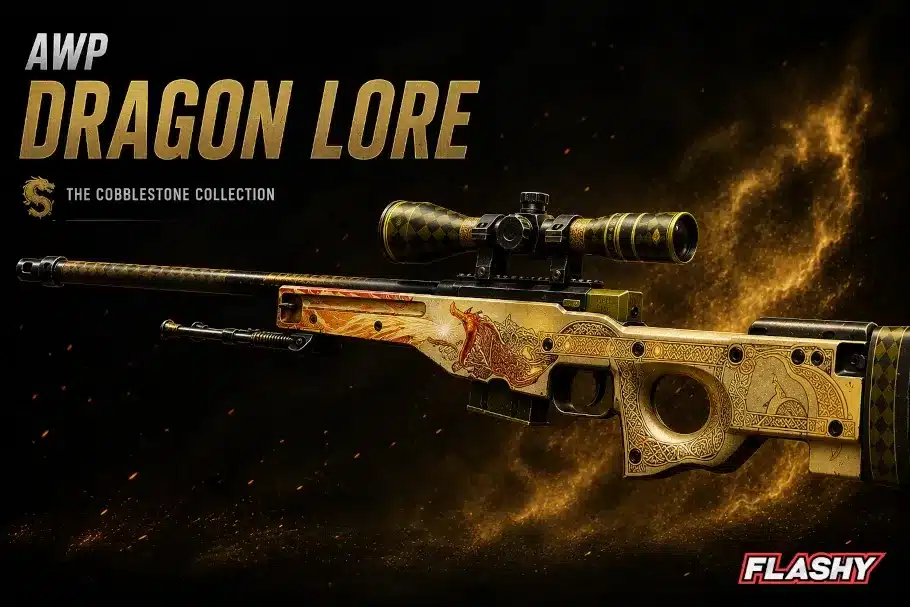
- AWP Dragon Lore
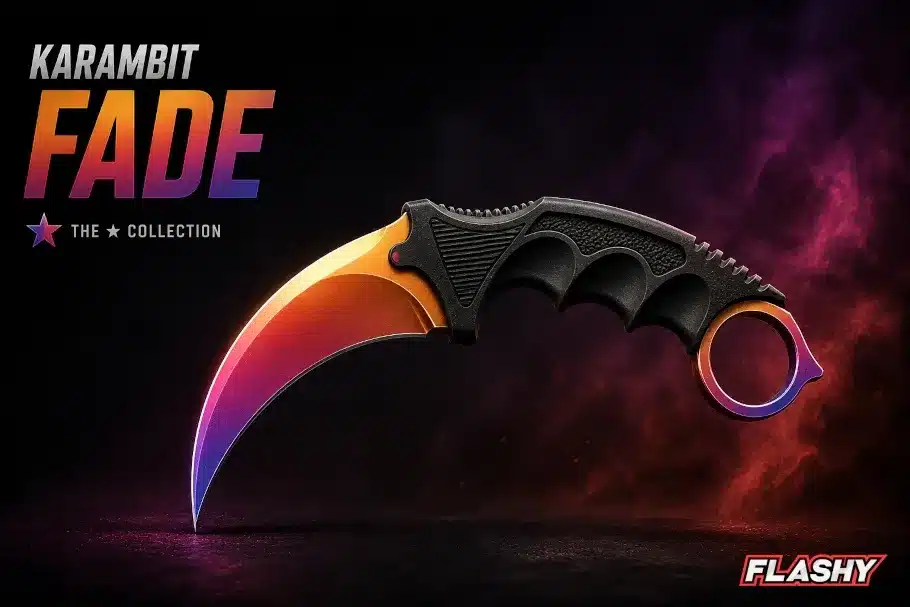
- Karambit Fade
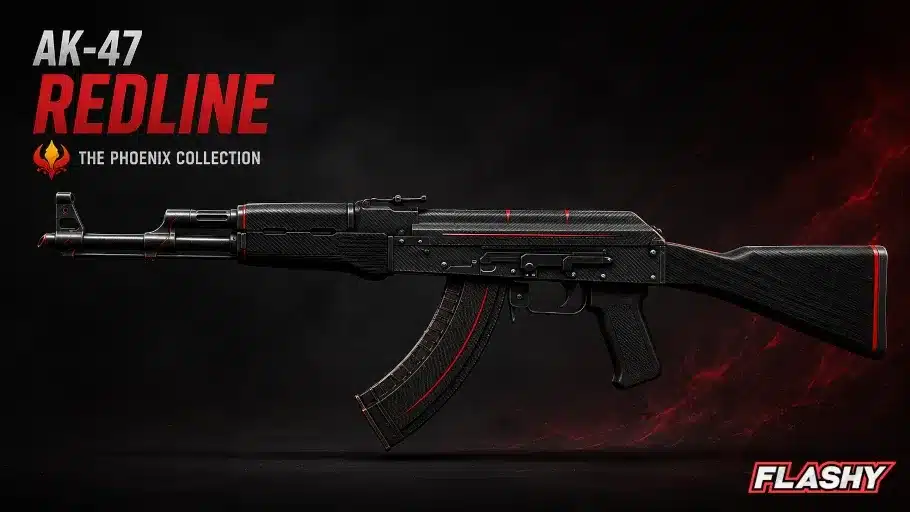
- AK-47 Redline
- AWP Asiimov
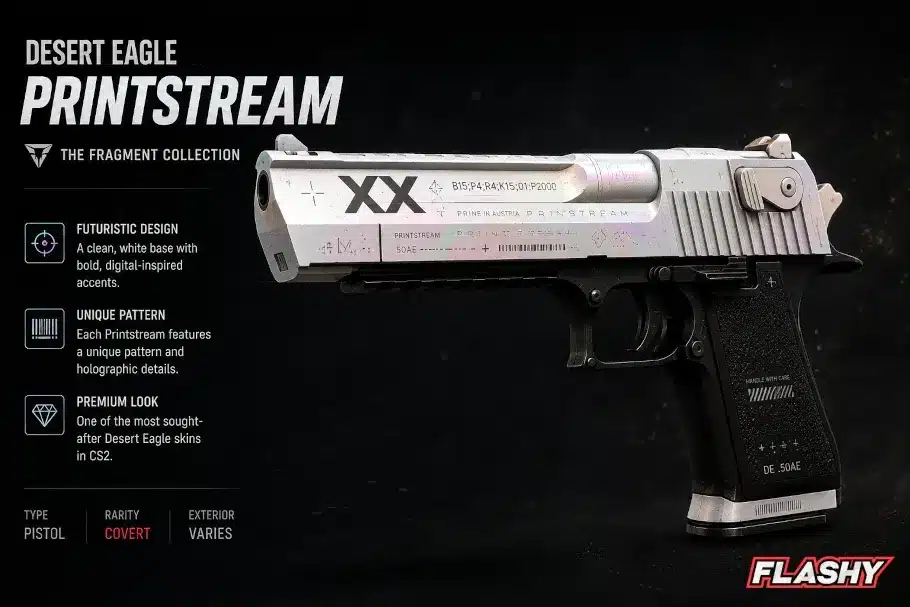
- Desert Eagle Printstream
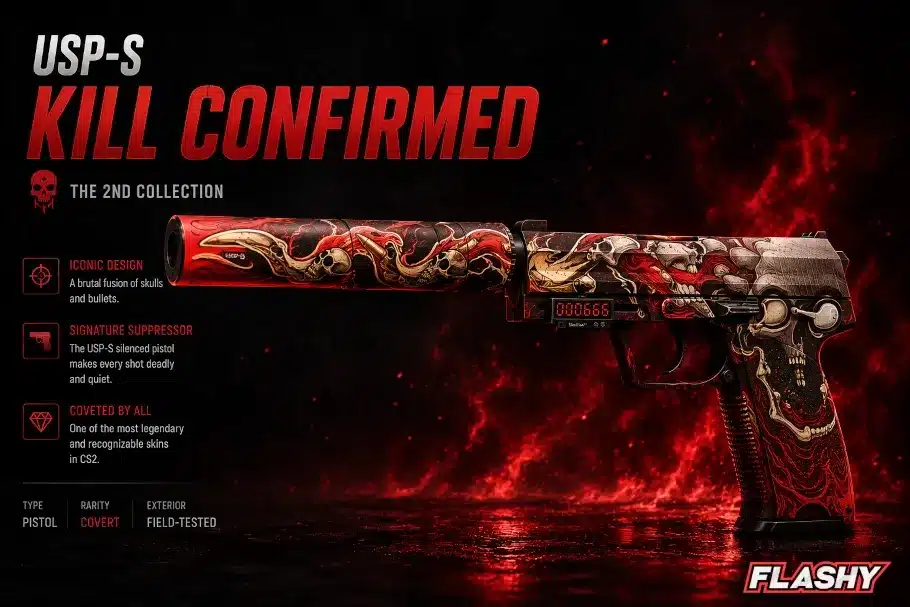
- USP-S Kill Confirmed
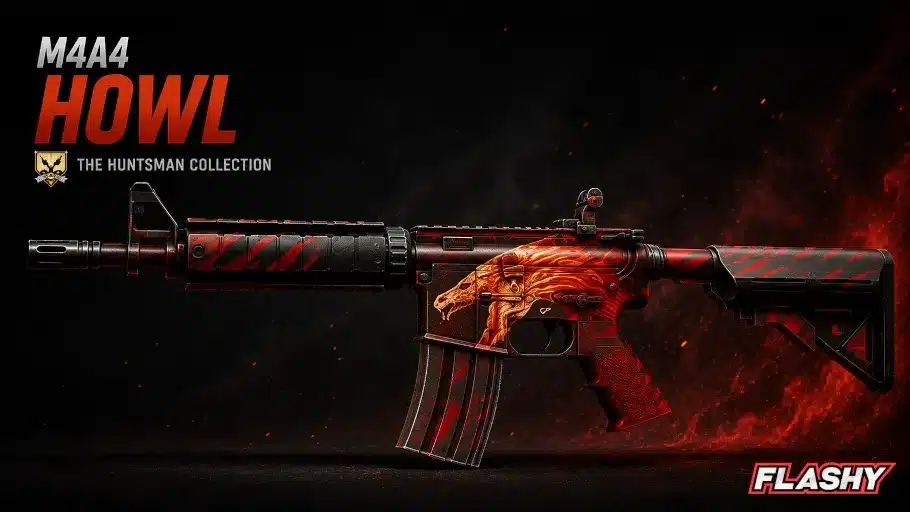
- M4A4 Howl
- AK-47 Fire Serpent
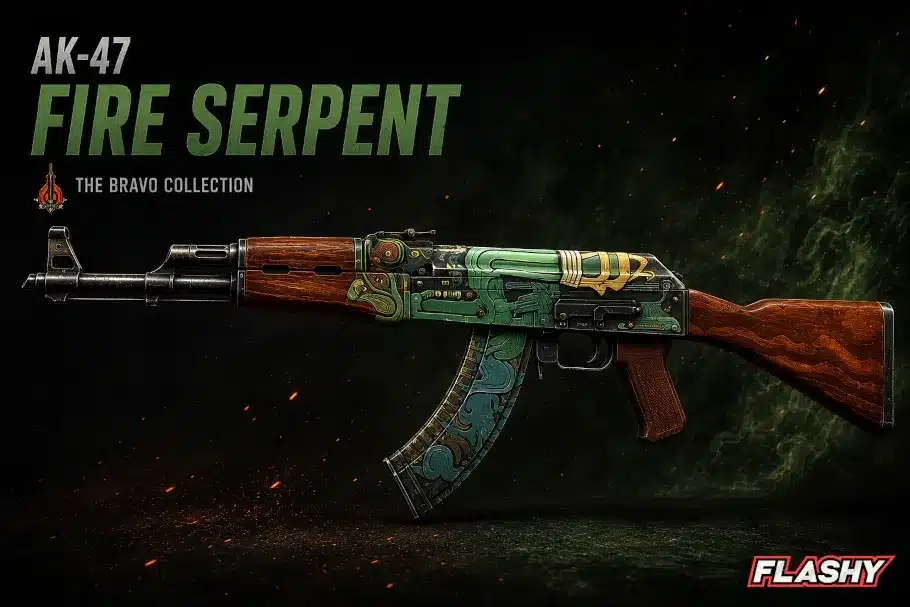
These skins stay relevant because players recognize them instantly. Recognition creates trust, and trust supports long-term market interest.
Why Traders Overpay for CS2 Skins
Overpaying is common in CS2 skin trading. Sometimes it is intentional, but often it happens because traders misunderstand what actually adds value.
A buyer may pay more because of:
- low float,
- rare pattern,
- expensive stickers,
- clean look,
- matching loadout,
- emotional attachment,
- fear of missing out,
- seller persuasion.
Some overpay is justified. For example, a rare Blue Gem pattern or a perfect float can command a significant premium.
But many beginners overpay for features that have limited resale value.
When Overpay Makes Sense
Overpay can make sense when the item has a clear collector premium.
| Feature | Overpay Potential |
|---|---|
| Rare pattern | High |
| Extremely low float | High |
| Expensive old stickers | Medium to High |
| Popular knife phase | Medium to High |
| Clean look | Medium |
| Random sticker combo | Low |
| Personal preference only | Low |
Before overpaying, ask one question:
Will another buyer also value this feature later?
If the answer is no, you may be paying for personal taste rather than market value.
Emotional Trading Mistakes
CS2 skin trading becomes risky when emotion replaces research.
The most common emotional mistakes include:
Buying Because a Price Is Rising
Many traders buy only after they notice a skin increasing in price. This can work occasionally, but it often means entering late.
By the time casual traders notice a price spike, experienced traders may already be preparing to sell.
Selling Too Quickly After a Small Drop
Short-term price drops are normal.
Panic selling can turn a temporary market correction into a real loss.
Holding a Bad Purchase Too Long
Some traders refuse to sell because they do not want to admit a mistake.
This can trap value in skins with weak demand or poor liquidity.
Copying Other Traders Blindly
Following experienced traders can be useful, but copying every move without understanding the reasoning is dangerous.
Market timing, budget, and risk tolerance matter.
How to Make More Rational Trading Decisions
Good trading decisions usually come from structure, not emotion.
Before buying or selling a CS2 skin, consider using a simple checklist.
CS2 Skin Trading Checklist
| Question | Why It Matters |
|---|---|
| Is the skin liquid? | Easier resale |
| Is demand stable? | Lower risk |
| Is the float fairly priced? | Avoid overpaying |
| Is the pattern actually rare? | Confirms premium |
| Are stickers adding real value? | Prevents bad overpay |
| Are fees included? | Protects profit |
| Have you checked multiple marketplaces? | Finds better prices |
| Are you buying because of hype? | Reduces emotional mistakes |
For trading platform comparisons, our CSGO Trading Sites page can help you evaluate where to buy, sell, and compare prices.
Warning Box
⚠️ Avoid trading decisions based only on hype.
A skin trending on social media may not be a good long-term purchase. Always compare market data, supply, float, pattern, and resale demand before committing significant money.
How Marketplaces Shape Trading Behavior
Marketplaces influence how traders think and act.
A platform with visible sales history, price charts, and large inventory encourages comparison shopping. A platform with instant trades encourages faster decisions. A platform with limited stock can create urgency.
This is why traders often compare multiple sites before buying or selling.
Popular marketplace reviews on FlashyFlashy include:
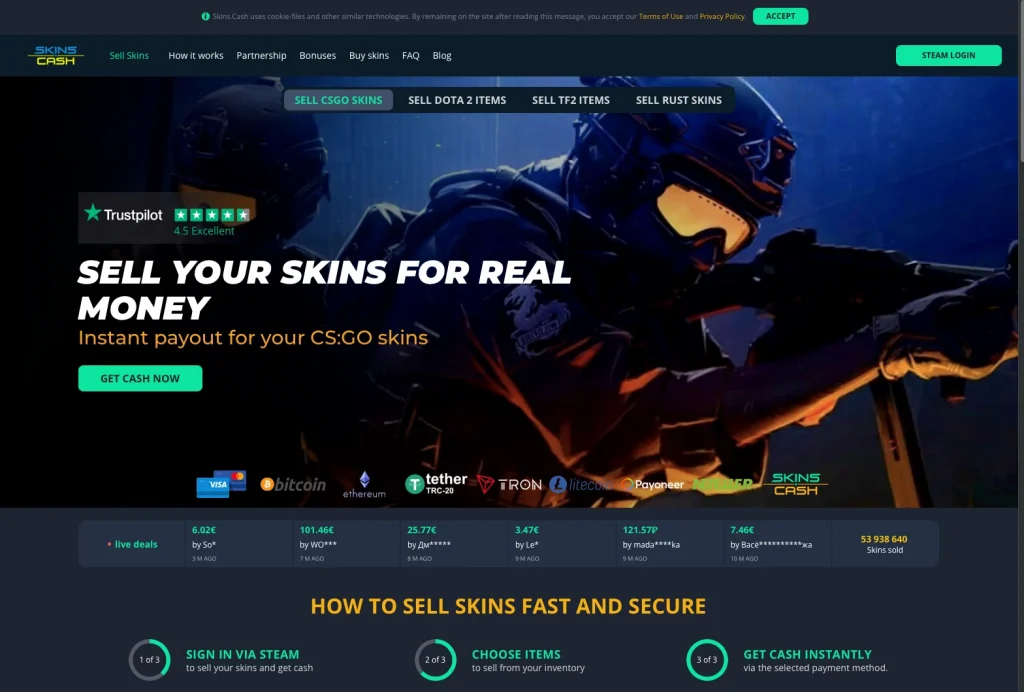
Using more than one marketplace helps traders understand whether a price is actually competitive or simply looks attractive on one platform.
Key Takeaway
The CS2 skin market is driven by more than rarity. Psychology, hype, esports visibility, social proof, and emotional decision-making all influence prices.
Traders who understand these forces can avoid impulsive purchases, recognize overhyped items, and make better long-term decisions.
The Future of the CS2 Skin Market
The Counter-Strike skin economy has changed dramatically since cosmetic items were first introduced. What began as a simple customization feature has evolved into one of the largest virtual economies in gaming, with millions of transactions taking place every month.
As Counter-Strike 2 continues to evolve, the skin market is expected to grow alongside it. New weapon finishes, improved graphics, seasonal updates, and community-created content will likely continue influencing both supply and demand.
While nobody can accurately predict future prices, several long-term trends appear likely to shape the market.
Continued Growth of Third-Party Marketplaces
The official Steam Community Market remains the safest place to purchase skins using Steam Wallet funds, but many experienced traders prefer third-party marketplaces because they offer:
- lower selling fees,
- larger inventories,
- multiple payment methods,
- cryptocurrency support,
- direct cash withdrawals.
Comparing several marketplaces before buying or selling often leads to better prices and lower transaction costs.
Is the CS2 Skin Market Safe?
The skin market itself is legitimate, but like any online marketplace involving valuable digital assets, it attracts scammers.
Fortunately, most risks can be avoided by following a few simple security practices.
Use Trusted Platforms
Always buy, sell, or trade skins through well-known marketplaces with transparent policies and established reputations.
Avoid websites that:
- promise guaranteed profits,
- advertise unrealistic prices,
- ask for your Steam password directly,
- request Steam Guard recovery codes,
- ask you to disable Steam Guard.
Protect Your Steam Account
Your Steam account is usually more valuable than any single skin.
Always enable:
✅ Steam Guard Mobile Authenticator
✅ Strong unique password
✅ Two-Factor Authentication
✅ Verified email
Never click login links received through Discord, Telegram, or private Steam messages.
Double-Check Every Trade
Before accepting a trade:
- verify the item names,
- confirm float values,
- inspect stickers,
- check wear condition,
- review trade offers carefully.
Scammers often replace expensive skins with cheaper versions that look almost identical.
Best Practices for New Traders
Whether you’re purchasing your first skin or building a serious inventory, following a consistent strategy can help reduce costly mistakes.
Start Small
Many beginners rush into buying expensive knives or gloves.
Instead, begin with lower-value skins to learn how prices move and how different marketplaces operate.
Research Before Buying
Never purchase a skin based solely on appearance.
Compare:
- historical prices,
- current listings,
- float values,
- pattern indexes,
- marketplace fees,
- liquidity.
Patience often results in better opportunities.
Diversify Your Inventory
Holding a mix of popular rifles, pistols, knives, and collectible skins may reduce exposure to sudden price changes affecting a single category.
While diversification doesn’t eliminate risk, it helps create a more balanced inventory.
Follow Official Updates
Valve updates, new collections, and esports events frequently influence the market.
Keeping up with official announcements helps traders understand why prices move.
Related FlashyFlashy Guides
To continue learning about the Counter-Strike economy, explore these in-depth guides:
CS2 & Trading
Gambling & Crypto
Frequently Asked Questions
What is the CS2 skin market?
The CS2 skin market is an ecosystem where players buy, sell, and trade cosmetic weapon skins using the Steam Community Market or trusted third-party marketplaces.
Can you make money trading CS2 skins?
Some experienced traders earn profits by buying and selling skins strategically. However, market prices fluctuate, and there is no guarantee of profit.
Why are some CS2 skins so expensive?
Prices are influenced by rarity, float value, pattern variation, collection availability, demand, esports popularity, and collector interest.
Is Steam Community Market the best place to buy skins?
Steam Community Market is the official marketplace, but many traders also compare trusted third-party marketplaces because they may offer lower fees, larger inventories, and cash withdrawals.
Should I invest in CS2 skins?
CS2 skins should be viewed primarily as digital collectibles. While some items have appreciated over time, prices can also fall. Never spend money you cannot afford to lose.
Final Thoughts
The CS2 skin market is one of the most fascinating digital economies in gaming. It combines elements of collecting, trading, investing, and personal expression in a way few other games can match.
Successful traders understand that long-term results come from patience, research, and informed decision-making rather than chasing short-term hype. Learning how rarity, demand, float values, and market psychology interact will help you make smarter choices whether you’re buying your first skin or managing a high-value inventory.
If you’re just starting your journey, take time to compare marketplaces, follow trusted community resources, and build experience gradually. The more you understand the market, the better prepared you’ll be to navigate its opportunities and risks.